
How Winter Dry Air Affects Your Skin—and How a Humidifier Can Help
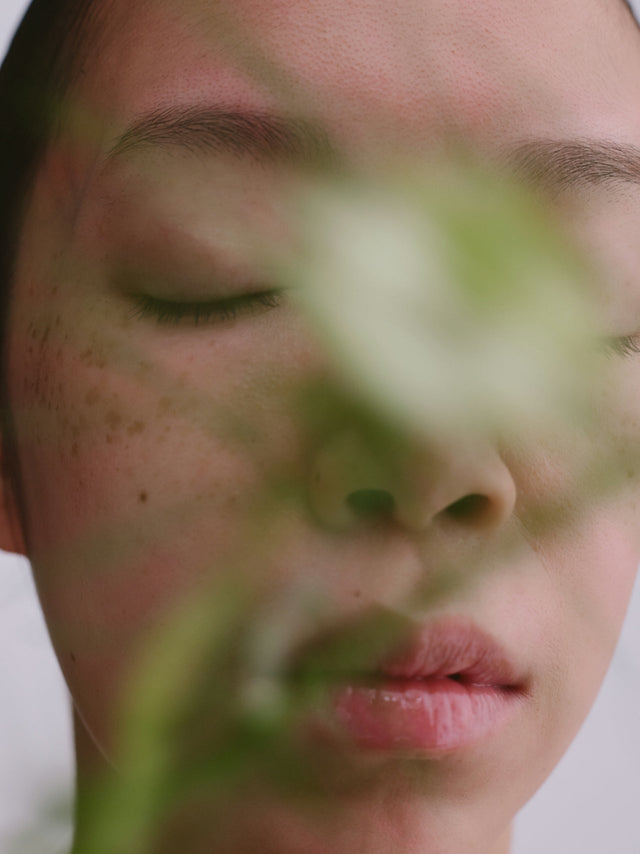
Winter skincare isn’t only about what you apply—it’s also about the air around you. Cold outdoor temperatures combined with indoor heating drastically reduce humidity levels, leading to dry, irritated skin. This is why dermatologists and skin experts often recommend using a humidifier during the winter months.
Low humidity causes moisture to evaporate from the skin more quickly, weakening the skin barrier. This can result in flakiness, redness, sensitivity, and increased appearance of fine lines. For those with eczema or reactive skin, dry winter air can trigger flare-ups and prolonged irritation.
Using a humidifier for dry skin in winter helps counteract these effects by restoring moisture to the environment. When humidity levels are balanced, your skin retains hydration more effectively, allowing skincare products to work better and reducing transepidermal water loss.
Nighttime is especially important. Skin repairs itself while you sleep, but dry air can undo that process. Running a humidifier overnight helps maintain optimal conditions for skin regeneration, leaving you with a more comfortable, hydrated complexion by morning.
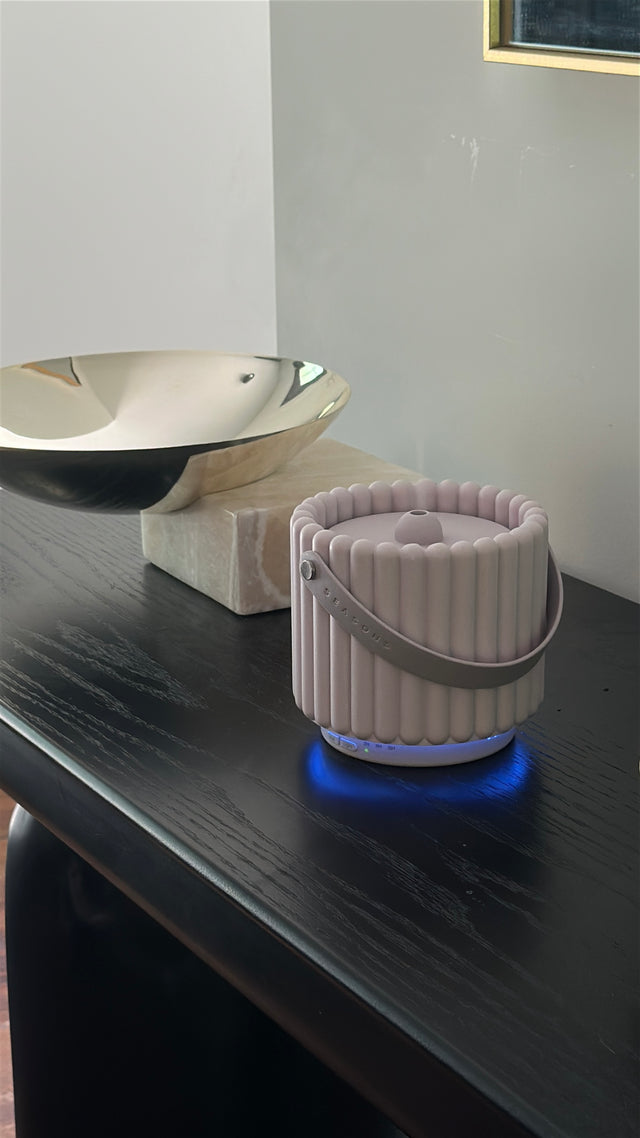
The Soni XL is particularly effective for this purpose. Designed for larger spaces, it delivers consistent humidity throughout bedrooms and open areas. Its quiet operation makes it ideal for overnight use, while its long run time ensures uninterrupted moisture delivery.
Beyond skincare, proper humidity also benefits your lips, hands, and scalp—areas most prone to winter dryness. By improving indoor air quality, Soni XL supports full-body comfort, not just surface-level hydration.
Winter doesn’t have to mean compromised skin. Pairing a thoughtful skincare routine with a powerful humidifier like the Soni XL creates a holistic approach to winter skin health—one that works from the inside out.
0 Comments
There are no comments yet. Be the first one to post one!